An Aviva survey of European investors with almost €280 billion in assets under management has found that almost 90% are looking to increase their allocation to absolute return strategies over the next three years, the company says.
The insurance firm carried out the survey at its Aviva Investors Absolute Returns conference in London last month. In announcing the results, Aviva said the survey also revealed that more than 70 per cent of investors felt UCITS funds might gain an ever greater share of the absolute return sector.
Further, 67% said the regulatory comfort and reassurance of the ‘UCITS badge’ makes them more attractive products.
Global client investment director at Aviva Investors Paul Moody said that the fluctuating market environment over the last few years, coupled with extremely low returns on cash investments, meant that European investors started looking for returns regardless of market conditions.
“But post credit crisis, investors are extremely careful when taking asset allocation decisions. They want to know what could happen if an extreme event occurs and hence asset managers’ risk management processes play a major role. This does not necessarily mean investors are being risk averse - rather that they expect their managers to help them assess the risk they are taking,” Moody said.
According to the survey, the absolute return areas of most interest to European investors are global macro and volatility trading at 67% each, long/short equity at 60% and market neutral products at 53%.
Around half of the surveyed investors said that clearer industry-defined classifications and more transparent communication about funds’ investment strategies would help them to make more informed asset allocation decisions.
Moody said there is an appetite for a variety of investment styles across multiple asset classes in the absolute return market, which in turn makes the job of selecting funds difficult.
“They can differ by benchmarks, risk characteristics and varying timeframes for delivering absolute return performance. In some cases the risk is relative value and in others market direction plays a key part. Fund managers have a role to play to educate investors on the risks associated with their products as well as the potential returns. More transparent communication about their products’ investment strategy and associated risks would be a step in the right direction and help build trust – a critical element in a post credit crisis environment,” he said.



Latest News
-
Swedish court continuing to review Indecap’s dispute with FTN
-
UK's Smart Pension surpasses £10bn AUM
-
Swedish occupational pension assets increase by SEK13bn in Q1
-
UK DB funding surplus rises by £5.3bn in May
-
Pensions sector among least affected by major ICT incidents in 2025 – ESAs
-
Cyprus targets January 2027 launch for pension reform




Podcast: Stepping up to the challenge
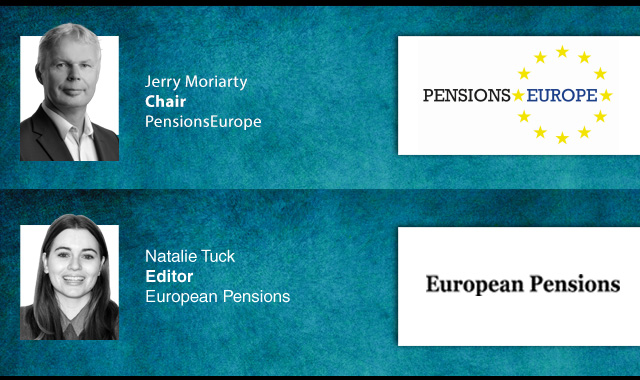
In the latest European Pensions podcast, Natalie Tuck talks to PensionsEurope chair, Jerry Moriarty, about his new role and the European pension policy agenda
Podcast: The benefits of private equity in pension fund portfolios

The outbreak of the Covid-19 pandemic, in which stock markets have seen increased volatility, combined with global low interest rates has led to alternative asset classes rising in popularity. Private equity is one of the top runners in this category, and for good reason.
In this podcast, Munich Private Equity Partners Managing Director, Christopher Bär, chats to European Pensions Editor, Natalie Tuck, about the benefits private equity investments can bring to pension fund portfolios and the best approach to take.
In this podcast, Munich Private Equity Partners Managing Director, Christopher Bär, chats to European Pensions Editor, Natalie Tuck, about the benefits private equity investments can bring to pension fund portfolios and the best approach to take.
Mitigating risk
BNP Paribas Asset Management’s head of pension solutions, Julien Halfon, discusses equity hedging with Laura Blows

© 2019 Perspective Publishing Privacy & Cookies
Recent Stories