New analysis of Greece’s austerity measures has revealed changes to pension arrangements are a mixed bag in terms of the distribution of the burden among the various income groups.
The EUROMOD working paper, The distributional impact of the crisis in Greece, models the impact of Greece’s austerity measures in terms of greater inequality and increased poverty.
Greece introduced a special levy on pension incomes, the pensioners’ solidarity contribution, in May last year. Pensions under €1,400 per month were exempted, though above that level, tax rates rise steeply from 3% to 10%.
In addition, while retirement pensions in Greece used to be payable in 14 monthly instalments the 13th and 14th pensions have now been abolished. These payments have been replaced by flat-rate vacation allowances totalling €800 a year payable to pensioners aged over 60 receiving a pension below €2,500 per month.
Pensions were also frozen at their 2009 level.
The research found the pensioners’ solidarity contribution had met its aim of placing a “much higher burden” on those earning high pensions than those on lower incomes.
“It can be clearly seen that this was achieved, since this measure hardly affected anyone in the bottom half of the income distribution.”
This was also true of the cuts in pension benefits, though to a lesser extent, with the redistributive effects of the cuts found to be “weakly regressive”.
Access the report here



Latest News
-
Finnish pension reforms to come into force from 1 July
-
Icelandic pension funds Gildi and Festa begin merger talks
-
Germany's DAI calls for wider use of equities in German pensions
-
Finnish earnings-related pension providers' solvency ratio falls to 129.5%
-
The Netherlands’ Hoogovens Pension Fund returns 2.7% in 2025
-
Dutch pension fund Haskoning selects Van Lanschot Kempen as fiduciary manager




Podcast: Stepping up to the challenge
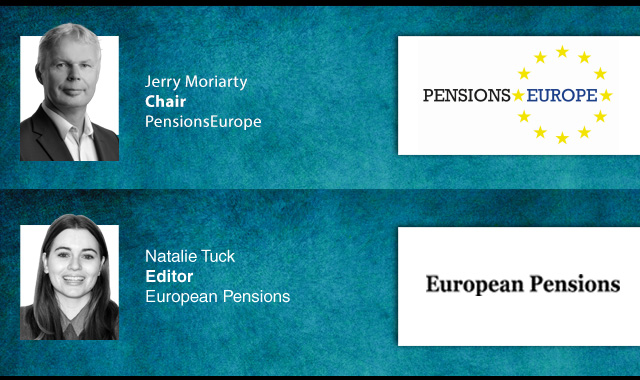
In the latest European Pensions podcast, Natalie Tuck talks to PensionsEurope chair, Jerry Moriarty, about his new role and the European pension policy agenda
Podcast: The benefits of private equity in pension fund portfolios

The outbreak of the Covid-19 pandemic, in which stock markets have seen increased volatility, combined with global low interest rates has led to alternative asset classes rising in popularity. Private equity is one of the top runners in this category, and for good reason.
In this podcast, Munich Private Equity Partners Managing Director, Christopher Bär, chats to European Pensions Editor, Natalie Tuck, about the benefits private equity investments can bring to pension fund portfolios and the best approach to take.
In this podcast, Munich Private Equity Partners Managing Director, Christopher Bär, chats to European Pensions Editor, Natalie Tuck, about the benefits private equity investments can bring to pension fund portfolios and the best approach to take.
Mitigating risk
BNP Paribas Asset Management’s head of pension solutions, Julien Halfon, discusses equity hedging with Laura Blows

© 2019 Perspective Publishing Privacy & Cookies
Recent Stories