New analysis from the OECD has shown economic recovery across the European Union is gaining pace, though is likely to be dampened by a range of factors.
In an economic outlook report released today, the organisation said confidence is strengthening in the EU, and financial conditions have improved as recovery in domestic demand gains momentum and exports continue to support growth.
Looking ahead, recovery is expected to slow due to fiscal consolidation, on-going private sector balance sheet adjustment and higher energy prices.
The OECD argued that "prolonged" fiscal consolidation is needed in most EU countries to stop rising debt-to-GDP ratios and reduce them to "more prudent" levels.
Furthermore, the report said that monetary policy stimulus should be gradually withdrawn once underlying inflationary pressures begin to emerge.
It also called for reforms of labour and product markets, and said that structural reforms would make the euro area more resilient when combined with reforms of fiscal and macro-prudential polices.
On the global outlook, the report found that the global economic recovery has stalled in the major industrialised economies. Falling household and business confidence had affected world trade and employment.
Presenting the interim economic assessment, OECD chief economist Pier Carlo Padoan said: "Growth is turning out to be much slower than we thought three months ago, and the risk of hitting patches of negative growth going forward has gone up."
However, growth remained strong in most emerging economies albeit at a more moderate pace than previously.
Despite the downbeat global outlook, the OECD said fiscal and structural reforms being undertaken by a number of OECD countries should boost confidence.
The organisation recommended central banks maintain policy rates, and barring signs of recovery, consider lowering rates when there is scope. Other monetary policy responses to the crisis could include further central bank interventions in securities markets, strong commitments to keeping interest rates low over an extended period and the withdrawal of monetary tightening in emerging economies.
"The policy imperative is to rebuild confidence," Padoan said.



Latest News
-
Swedish court continuing to review Indecap’s dispute with FTN
-
PFA welcomes SpaceX IPO as Danish pension funds split on company
-
UK's Smart Pension surpasses £10bn AUM
-
Swedish occupational pension assets increase by SEK13bn in Q1
-
UK DB funding surplus rises by £5.3bn in May
-
Pensions sector among least affected by major ICT incidents in 2025 – ESAs




Podcast: Stepping up to the challenge
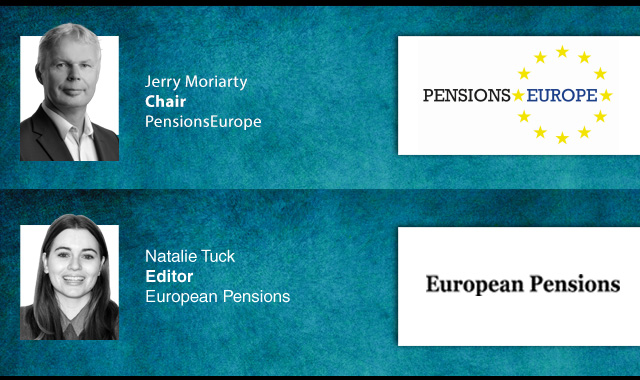
In the latest European Pensions podcast, Natalie Tuck talks to PensionsEurope chair, Jerry Moriarty, about his new role and the European pension policy agenda
Podcast: The benefits of private equity in pension fund portfolios

The outbreak of the Covid-19 pandemic, in which stock markets have seen increased volatility, combined with global low interest rates has led to alternative asset classes rising in popularity. Private equity is one of the top runners in this category, and for good reason.
In this podcast, Munich Private Equity Partners Managing Director, Christopher Bär, chats to European Pensions Editor, Natalie Tuck, about the benefits private equity investments can bring to pension fund portfolios and the best approach to take.
In this podcast, Munich Private Equity Partners Managing Director, Christopher Bär, chats to European Pensions Editor, Natalie Tuck, about the benefits private equity investments can bring to pension fund portfolios and the best approach to take.
Mitigating risk
BNP Paribas Asset Management’s head of pension solutions, Julien Halfon, discusses equity hedging with Laura Blows

© 2019 Perspective Publishing Privacy & Cookies
Recent Stories