A Greek default is ‘highly likely’, and there is little sense in trying to solve the heavily indebted state’s problems with further borrowing and more austerity, according to Investec Asset Management.
In a briefing note issued to journalists, Investec said while it believes default is inevitable, the form of default is yet to be determined.
“The reason for this is very simple: according to the latest IMF Fiscal Monitor, Greece needs to run a cyclically-adjusted primary budget surplus of 6% just to stabilise debt at 145% of GDP. In other words, the treasury needs receipts to be in excess of expenditure for several years just to stop debt increasing even further. The Greek public are clearly unwilling to accept this, as evidenced by last week’s general strike.”
With outstanding debt of €262 billion and access to market funding shut off, the country is reliant on further loans from the IMF, EU and ECB in order to redeem maturing debt, Investec said.
However, the company said European authorities worry that a Greek default will set off a chain reaction as the banking sector in Greece melts down, and are therefore “unwilling to contemplate an orderly restructuring”.
Investec said the hesitancy is “perhaps understandable” given that a Greek default would be the first among developed markets since the end of the second world war.
The company said the most likely outcome is a “typical European ‘muddle-through’”, with a German-led recovery pulling the rest of the Eurozone along.



Latest News
-
Swedish court continuing to review Indecap’s dispute with FTN
-
PFA welcomes SpaceX IPO as Danish pension funds split on company
-
UK's Smart Pension surpasses £10bn AUM
-
Swedish occupational pension assets increase by SEK13bn in Q1
-
UK DB funding surplus rises by £5.3bn in May
-
Pensions sector among least affected by major ICT incidents in 2025 – ESAs




Podcast: Stepping up to the challenge
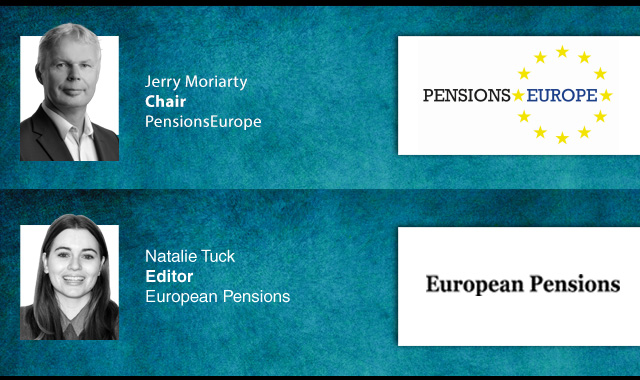
In the latest European Pensions podcast, Natalie Tuck talks to PensionsEurope chair, Jerry Moriarty, about his new role and the European pension policy agenda
Podcast: The benefits of private equity in pension fund portfolios

The outbreak of the Covid-19 pandemic, in which stock markets have seen increased volatility, combined with global low interest rates has led to alternative asset classes rising in popularity. Private equity is one of the top runners in this category, and for good reason.
In this podcast, Munich Private Equity Partners Managing Director, Christopher Bär, chats to European Pensions Editor, Natalie Tuck, about the benefits private equity investments can bring to pension fund portfolios and the best approach to take.
In this podcast, Munich Private Equity Partners Managing Director, Christopher Bär, chats to European Pensions Editor, Natalie Tuck, about the benefits private equity investments can bring to pension fund portfolios and the best approach to take.
Mitigating risk
BNP Paribas Asset Management’s head of pension solutions, Julien Halfon, discusses equity hedging with Laura Blows

© 2019 Perspective Publishing Privacy & Cookies
Recent Stories