Further polarisation between Eurozone countries looks inevitable without reform, according to chief economist, global government and inflation bonds at Hermes Fund Managers Neil Williams.
Williams said Germany emerged as “the biggest winner” in 2010, accounting for one third of Eurozone GDP, while most other members of the European Economic Monetary Union have experienced a deterioration in their positions.
Germany’s low and stable unemployment and estimated 3.6% GDP growth rate stands in stark contrast to many of its Eurozone peers, Williams said.
The largest member of the European Union has cut its relative unit labour cost (RULC) over 2%, while Spain and Italy have seen theirs rise by 25% and 34% respectively. Williams said that Spain remains the one to be most watchful of as it has been in external deficit since even before the convergence began in the 1990s and has yet to sustain meaningful labour reform.
“There, inaction would lead to further yield rises and fiscal strains- and yet, reform is more likely to be resisted by social unrest. With a highly indebted private sector and a male youth unemployment rate of 45%, Spain’s tensions could persist.”
Fiscal support packages delivered to struggling Eurozone members will neither truly make uncompetitive countries solvent nor remove the underlying problem in the short term, Williams said, representing a risk for 2011 that the less competitive countries will place increasing constraints on the countries trying to fund them.



Latest News
-
DC now ‘dominating’ FTSE 350 companies’ pension spending as employer contributions fall
-
Italian supplementary pension coverage climbs to 40%; gender gap remains
-
Sampension joins investor call to protect EU carbon trading scheme
-
PFA welcomes SpaceX IPO as Danish pension funds split on company
-
AZL surpasses 800,000 Wtp participants after completing first pension transitions
-
UK's Smart Pension surpasses £10bn AUM




Podcast: Stepping up to the challenge
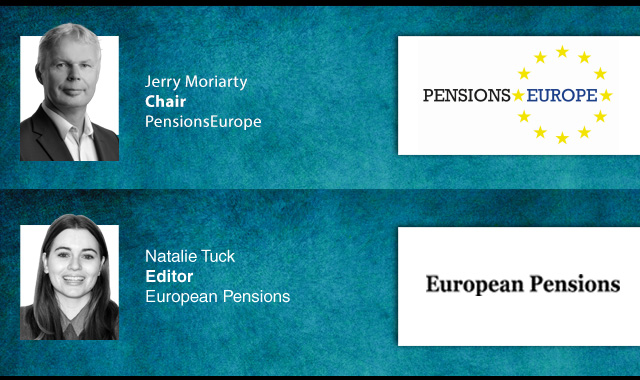
In the latest European Pensions podcast, Natalie Tuck talks to PensionsEurope chair, Jerry Moriarty, about his new role and the European pension policy agenda
Podcast: The benefits of private equity in pension fund portfolios

The outbreak of the Covid-19 pandemic, in which stock markets have seen increased volatility, combined with global low interest rates has led to alternative asset classes rising in popularity. Private equity is one of the top runners in this category, and for good reason.
In this podcast, Munich Private Equity Partners Managing Director, Christopher Bär, chats to European Pensions Editor, Natalie Tuck, about the benefits private equity investments can bring to pension fund portfolios and the best approach to take.
In this podcast, Munich Private Equity Partners Managing Director, Christopher Bär, chats to European Pensions Editor, Natalie Tuck, about the benefits private equity investments can bring to pension fund portfolios and the best approach to take.
Mitigating risk
BNP Paribas Asset Management’s head of pension solutions, Julien Halfon, discusses equity hedging with Laura Blows

© 2019 Perspective Publishing Privacy & Cookies
Recent Stories