Pension fund managers remain positive about the diverse investment opportunities offered by frontier markets, despite the recent political turmoil and instability in the Middle East and North Africa, new research by Clear Path Analysis has found.
Fund managers are very optimistic about the investment potential and diversification opportunities frontier markets offer, and are increasingly comfortable with the risk return characteristics presented by those regions.
Africa has been fairly unaffected by the financial crisis and the ongoing eurozone problems and is continuing to generate significant investment prospects. The emerging and frontier markets’ share of GDP is already 35.2 per cent and on a purchasing power parity basis it is almost 50 per cent.
Allocations to emerging and frontier markets are likely to rise in coming years, as investors recognise that exposure to these markets must increase. However, due to the perceived risks created by the Arab Spring uprisings, 78 per cent of pension fund managers are tentative on allocations to frontier economies.
Somdatt Kurdikar, head, international at Harith Fund Managers, explained: “What is clear is that to navigate these geographies, investors should have vehicles which are on-the-ground so as to be proactive and real-time in monitoring investments; have the ability to structure and de-risk projects by having strong sponsors and credible stakeholders. Last but not the least, have a regional exposure across the continent in order to avoid any single or indeed sub-regional concentration of exposure.”
Political developments, especially in North Africa, have had an impact on investors’ approach to these markets, but Chris Derksen, head of frontier markets at Investec Asset Management pointed out: “Despite a year of political upheaval in North Africa, a number of the most significant markets on the continent have turned a historic corner over the past decade in terms of their politics. We expect this trend towards greater political stability, accountable leadership and predictable policymaking in Africa to continue.”



Latest News
-
Finnish pension reforms to come into force from 1 July
-
Icelandic pension funds Gildi and Festa begin merger talks
-
Germany's DAI calls for wider use of equities in German pensions
-
Finnish earnings-related pension providers' solvency ratio falls to 129.5%
-
The Netherlands’ Hoogovens Pension Fund returns 2.7% in 2025
-
Dutch pension fund Haskoning selects Van Lanschot Kempen as fiduciary manager




Podcast: Stepping up to the challenge
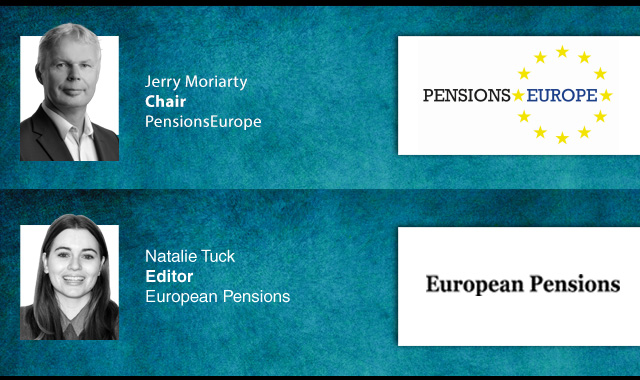
In the latest European Pensions podcast, Natalie Tuck talks to PensionsEurope chair, Jerry Moriarty, about his new role and the European pension policy agenda
Podcast: The benefits of private equity in pension fund portfolios

The outbreak of the Covid-19 pandemic, in which stock markets have seen increased volatility, combined with global low interest rates has led to alternative asset classes rising in popularity. Private equity is one of the top runners in this category, and for good reason.
In this podcast, Munich Private Equity Partners Managing Director, Christopher Bär, chats to European Pensions Editor, Natalie Tuck, about the benefits private equity investments can bring to pension fund portfolios and the best approach to take.
In this podcast, Munich Private Equity Partners Managing Director, Christopher Bär, chats to European Pensions Editor, Natalie Tuck, about the benefits private equity investments can bring to pension fund portfolios and the best approach to take.
Mitigating risk
BNP Paribas Asset Management’s head of pension solutions, Julien Halfon, discusses equity hedging with Laura Blows

© 2019 Perspective Publishing Privacy & Cookies
Recent Stories