Austria is not immune to the pressures of an ageing population, according to the latest study from the Organisation for Economic Co-operation and Development.
Citing projections from the European Commission, the OECD said Austria’s ratio of people aged 65 or more to the population aged 15-64 is expected to reach 51 per cent in 2060.
This demographic shift would see Austria move from having four persons of working-age for every person aged over 65, to a ratio of just 2 to 1. The largest shift in the old age dependency ratio is expected to occur in the period between 2020 and 2030.
Public finances are expected to come under greater strain as a result of the ageing population, through health and long-term care and pension expenditure.
“The projected increase in age-related expenditure is less than in other EU countries, but Austria’s starting position is higher as it currently spends an above-average share on pensions and health and long-term care (13.5% of GDP and 8.5% of GDP respectively),” the report said.
However, the study cautions that the projections involve risks, “particularly with regard to pension expenditures”.
“They assume that average pensions relative to wages fall markedly over the projection horizon, even though over the past few years, average pensions grew more than average wages.”
The projections also assume that people will retire later in the future, and the report said that although “some progress” has been made in this area recently, the retirement age remains “very low”.
Austrian male workers exit the labour market at age 59 on average and females at age 57, the second lowest in the OECD after Luxembourg. The report pointed to “strong financial disincentives” to continue work at older ages as being behind the low effective retirement age.
“According to a recent report by the OECD, if only demographic changes as the main driver of pension expenditures are considered, pension expenditures would rise by more than nine percentage points by 2060 to 23% of GDP – one of the highest shares in the OECD. This implies that significant efforts are needed if pension expenditures are to be contained.”



Latest News
-
PensionsEurope calls for 'report once' principle in response to EIOPA consultation
-
German reforms represent ‘paradigm shift’ for pension investment
-
French pension system deficit estimated at €5.1bn in 2025
-
German pension funds call for greater legal certainty and reduced bureaucracy
-
Sampension to hold extraordinary meeting to elect chairperson and board member
-
Finnish pension reforms to come into force from 1 July



Podcast: Stepping up to the challenge
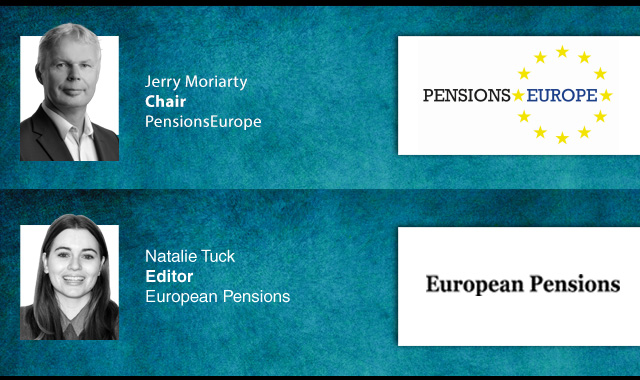
In the latest European Pensions podcast, Natalie Tuck talks to PensionsEurope chair, Jerry Moriarty, about his new role and the European pension policy agenda
Podcast: The benefits of private equity in pension fund portfolios

The outbreak of the Covid-19 pandemic, in which stock markets have seen increased volatility, combined with global low interest rates has led to alternative asset classes rising in popularity. Private equity is one of the top runners in this category, and for good reason.
In this podcast, Munich Private Equity Partners Managing Director, Christopher Bär, chats to European Pensions Editor, Natalie Tuck, about the benefits private equity investments can bring to pension fund portfolios and the best approach to take.
In this podcast, Munich Private Equity Partners Managing Director, Christopher Bär, chats to European Pensions Editor, Natalie Tuck, about the benefits private equity investments can bring to pension fund portfolios and the best approach to take.
Mitigating risk
BNP Paribas Asset Management’s head of pension solutions, Julien Halfon, discusses equity hedging with Laura Blows

© 2019 Perspective Publishing Privacy & Cookies
Recent Stories