In order to narrow the retirement gap in Germany, occupational pensions will have to make up about 25 to 30 per cent of people’s retirement income, according to the participants of the first Kronberger retirement provision discussion group, an initiative by Fidelity Worldwide Investment. It has suggested automatically enrolling employees into a pension.
The 16 pension experts agreed that current legislative initiatives were not sufficient enough to properly grow the share of occupational pensions, which currently make up only four per cent of an average retirement income. The participants, ranging from employers, unions and pension fund representatives, professors and representatives of the consulting industry, therefore proposed an automatic salary sacrifice with the option to opt out.
Such a solution would see a certain percentage of an employee’s gross salary deposited automatically into the company pension scheme. Employees can determine the level of contributions, stop their contributions to the pension plan at any given time, and re-enter, increase of decrease their contributions. However, the panel believed it should not be turned into legislation, as this would come with another set of rules and a lot of administration.
The Pension Report 2011 estimated that the level of security from the state pension, before taxes, will fall from 52 per cent in 2009 to 46 per cent by 2025. If the Riester pensions, Germany’s personal, government-backed pension provision, would be included, only about 51 per cent could be achieved. Against the background of deferring taxation until pension payout, this level is not sufficient to maintain the standard of living.
The panel agreed that the company pension scheme is becoming an increasingly important tool for reducing the retirement gap and for employee recruitment and retention, but felt the strengthening of the pension provision should not just be a burden on the employers. Even in good economic times, companies have limited room to increase their voluntary payments to employees’ pension plans and existing schemes have been changed for years to try to calculate the risks of occupational schemes for employers.
"Ten years after the introduction of workers' right to salary sacrifice it’s a niche market, even though the pension gap is growing at the same time. Only four per cent of the total retirement income is derived from occupational pensions, which is why an automatic salary sacrifice with an opt-out option is necessary and for the good of their own income security,” Klaus Mössle, managing director and head of institutional business at Fidelity Worldwide Investment in Germany, said.



Latest News
-
Cyprus targets January 2027 launch for pension reform
-
Swedish occupational pension assets increase by SEK13bn in Q1
-
UK DB funding surplus rises by £5.3bn in May
-
Pensions sector among least affected by major ICT incidents in 2025 – ESAs
-
OECD urges Estonia to scrap 10-year wait to rejoin second pension pillar
-
Czech pension providers set to challenge govt's proposed fee cuts




Podcast: Stepping up to the challenge
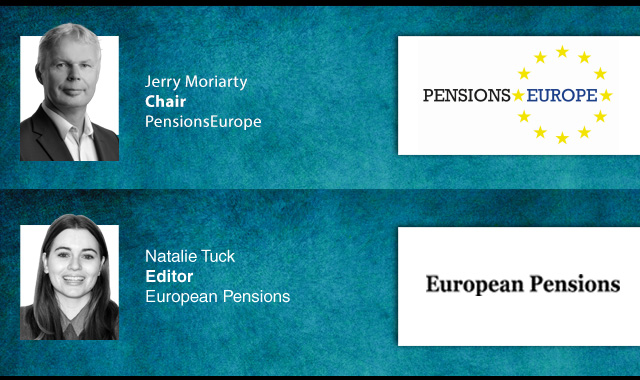
In the latest European Pensions podcast, Natalie Tuck talks to PensionsEurope chair, Jerry Moriarty, about his new role and the European pension policy agenda
Podcast: The benefits of private equity in pension fund portfolios

The outbreak of the Covid-19 pandemic, in which stock markets have seen increased volatility, combined with global low interest rates has led to alternative asset classes rising in popularity. Private equity is one of the top runners in this category, and for good reason.
In this podcast, Munich Private Equity Partners Managing Director, Christopher Bär, chats to European Pensions Editor, Natalie Tuck, about the benefits private equity investments can bring to pension fund portfolios and the best approach to take.
In this podcast, Munich Private Equity Partners Managing Director, Christopher Bär, chats to European Pensions Editor, Natalie Tuck, about the benefits private equity investments can bring to pension fund portfolios and the best approach to take.
Mitigating risk
BNP Paribas Asset Management’s head of pension solutions, Julien Halfon, discusses equity hedging with Laura Blows

© 2019 Perspective Publishing Privacy & Cookies
Recent Stories