Nearly three-quarters of European employers have cited an overly complex regulatory environment as the main factor in hampering the provision or expansion of occupational pension arrangements, according to a survey conducted by Aon Hewitt.
The survey, carried out in December, found that 66 per cent of employers struggle with legislation complexity surrounding cross border IORPs. Seventy six per cent did however support the idea of having cross-border arrangements in place. In response to the second consultation launched by the European Insurance and Occupational Pensions Authority (EIOPA) concerning the review of the IORPs directive, Aon Hewitt said that continuing legislative changes will further increase costs for employers.
Aon Hewitt head of research and EU affairs Leonardo Sforza said: “Cross-border IORPs offers multinational employers a valuable business opportunity to drive operational efficiency in their pension provision as well as offering significant improvements to their pension plan governance.
“Further tinkering with the structure of the EU pension fund directive is not required. What is needed is a common definition of what constitutes cross-border activity and greater simplification of the statutory requirements for setting up cross-border arrangements.”
The consultancy also stated that EIOPA and the European Commission have a vital role to play in the implementation of legislative requirements and greater communication is needed between pension fund professionals, employers and employees associations.



Latest News
-
Pensions sector among least affected by major ICT incidents in 2025 – ESAs
-
OECD urges Estonia to scrap 10-year wait to rejoin second pension pillar
-
Czech pension providers set to challenge govt's proposed fee cuts
-
Pension fees create ‘financial black hole’ for savers – AMF
-
Standard Life rebrands institutional investment platform
-
Two more Dutch pension funds join new pension system




Podcast: Stepping up to the challenge
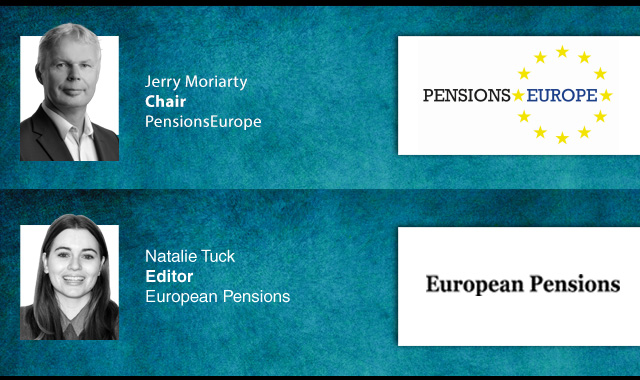
In the latest European Pensions podcast, Natalie Tuck talks to PensionsEurope chair, Jerry Moriarty, about his new role and the European pension policy agenda
Podcast: The benefits of private equity in pension fund portfolios

The outbreak of the Covid-19 pandemic, in which stock markets have seen increased volatility, combined with global low interest rates has led to alternative asset classes rising in popularity. Private equity is one of the top runners in this category, and for good reason.
In this podcast, Munich Private Equity Partners Managing Director, Christopher Bär, chats to European Pensions Editor, Natalie Tuck, about the benefits private equity investments can bring to pension fund portfolios and the best approach to take.
In this podcast, Munich Private Equity Partners Managing Director, Christopher Bär, chats to European Pensions Editor, Natalie Tuck, about the benefits private equity investments can bring to pension fund portfolios and the best approach to take.
Mitigating risk
BNP Paribas Asset Management’s head of pension solutions, Julien Halfon, discusses equity hedging with Laura Blows

© 2019 Perspective Publishing Privacy & Cookies
Recent Stories